

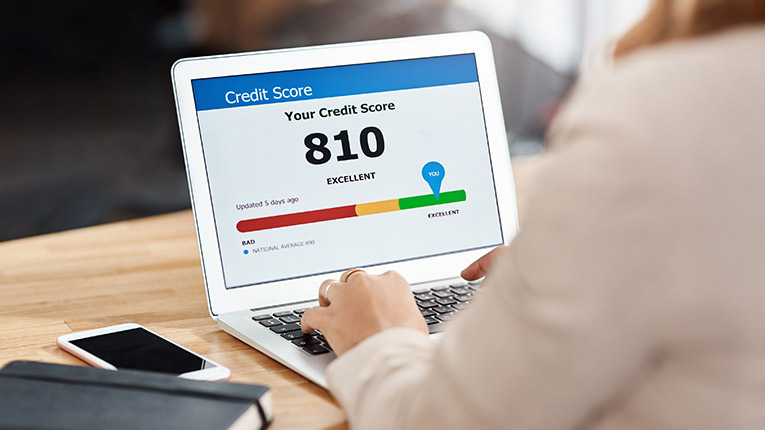
A poor credit score can feel like a barrier to financial progress, but it is not permanent. With consistent habits and a structured plan, you can gradually rebuild trust with lenders and improve your borrowing power. The key lies in understanding what affects your score and taking deliberate steps that show reliability over time 📈.
This guide explains practical, proven strategies to help you recover from a bad credit score efficiently and responsibly.
What a Bad Credit Score Means
A credit score reflects how reliably you manage borrowed money. When the score drops, lenders see higher risk. This can result in:
- Higher interest rates
- Difficulty getting approved for loans
- Lower credit limits
- Limited access to premium financial products
Fortunately, credit scores respond positively to disciplined behavior. Improvement is possible faster than many people expect.
Step 1: Check Your Credit Report Carefully
Start by reviewing your credit report in detail. Many people overlook errors that unnecessarily reduce their score.
Look for:
- Incorrect personal information
- Duplicate loan entries
- Closed accounts shown as active
- Late payments recorded incorrectly
If you identify inaccuracies, report them immediately to the credit bureau. Correcting errors alone can sometimes raise your score quickly.
Step 2: Pay Bills on Time—Every Time
Payment history is the single most important factor affecting your credit score.
To stay consistent:
- Set automatic payment reminders
- Enable auto-debit where possible
- Prioritize loan EMIs and credit card dues
Even one missed payment can impact your score significantly. On-time payments steadily rebuild credibility with lenders 👍.
Step 3: Reduce Credit Card Utilization
Credit utilization refers to how much of your available credit you are using.
For example:
- Credit limit: ₹1,00,000
- Outstanding balance: ₹70,000
This equals 70% utilization, which is considered high.
Try to keep utilization below 30%. Lower usage signals financial stability and improves your score over time.
Step 4: Avoid Applying for Multiple Loans Together
Each loan application creates a hard inquiry on your credit profile. Too many inquiries in a short period suggest financial stress.
Instead:
- Apply only when necessary
- Compare lenders before applying
- Space out credit applications
Strategic borrowing protects your score from unnecessary drops.
Step 5: Keep Older Credit Accounts Active
Length of credit history plays an important role in determining your score.
Avoid closing:
- Your oldest credit card
- Long-standing loan accounts with positive repayment history
Maintaining older accounts strengthens your credit profile and shows stability.
Step 6: Clear Outstanding Dues Strategically
If you already have unpaid balances, focus on reducing them systematically.
Two effective approaches include:
Snowball Method
- Pay off smallest debts first
- Build confidence with quick wins
Avalanche Method
- Pay highest-interest debts first
- Reduce total interest burden faster
Choose the approach that keeps you motivated and consistent 💡.
Step 7: Consider a Secured Credit Card
A secured credit card is backed by a fixed deposit and is easier to obtain with a low score.
Benefits include:
- Builds repayment history
- Improves credit utilization ratio
- Demonstrates responsible borrowing behavior
Used properly, this tool can significantly accelerate recovery.
Step 8: Maintain a Healthy Credit Mix
Credit bureaus prefer borrowers who manage different types of credit responsibly.
Examples:
- Credit cards (revolving credit)
- Personal loans (installment credit)
- Auto loans or education loans
A balanced mix improves your overall credit profile.
Step 9: Be Patient and Consistent
Credit recovery does not happen overnight. Most improvements become visible within 3–6 months, while strong recovery may take 6–18 months depending on past issues.
Consistency matters more than speed.
Stay disciplined with:
- Timely payments
- Low utilization
- Responsible borrowing habits
Small actions repeated regularly create meaningful long-term results 🔄.
Common Mistakes to Avoid During Credit Recovery
Avoid these errors while rebuilding your score:
- Ignoring credit report updates
- Settling loans without confirmation records
- Closing old accounts unnecessarily
- Taking high-interest short-term loans frequently
- Maxing out credit cards again after partial repayment
Preventing setbacks is just as important as making progress.
Long-Term Habits That Protect Your Credit Score
Once your score improves, maintain it with these habits:
- Review your credit report twice a year
- Keep emergency savings ready
- Use credit only when required
- Avoid impulsive borrowing decisions
- Maintain low utilization consistently
Strong financial discipline ensures your score remains healthy permanently.
FAQs About Recovering from a Bad Credit Score
1. How long does it take to improve a bad credit score?
Minor improvements may appear within a few months, but significant recovery usually takes between 6 and 18 months depending on repayment behavior and past defaults.
2. Can settling a loan improve my credit score?
Loan settlement helps reduce debt burden but may temporarily affect your credit profile. Full repayment is generally better for long-term score improvement.
3. Is checking my own credit score harmful?
No. Checking your own score is considered a soft inquiry and does not reduce your credit rating.
4. Can I get a loan with a bad credit score?
Yes, but options may be limited and interest rates higher. Secured loans or smaller credit products are usually easier to obtain initially.
5. Does closing unused credit cards help improve scores?
Not always. Closing old cards can shorten your credit history and reduce available credit limits, which may lower your score.
6. How often should I check my credit report?
Checking every 6 months is a good practice. It helps identify errors early and monitor improvement progress.
7. Can salary increase improve my credit score automatically?
No. A higher income improves repayment capacity but does not directly affect your score unless accompanied by better credit behavior.

Comments are closed.